How to Buy a Mattress: The UK Buying Guide for 2026
Buying a mattress is easier when you narrow the choice in the right order: start with size and sleeping position, decide the feel and construction you prefer, set a realistic budget, then compare trial terms and bed-base requirements. This UK guide explains each decision so you can shortlist mattresses that genuinely fit your needs.
Start with the correct UK size, then compare firmness, construction, temperature regulation, motion isolation and price. Treat manufacturer firmness labels as a guide rather than a universal scale, check that the mattress suits your bed base, and read the trial and returns terms before ordering.
Our Top Picks
Our Top Picks

Emma
Emma Original Pro Mattress 2026
A current hybrid option with strong overall-quality and value-for-money scores in our database.
200-night trial
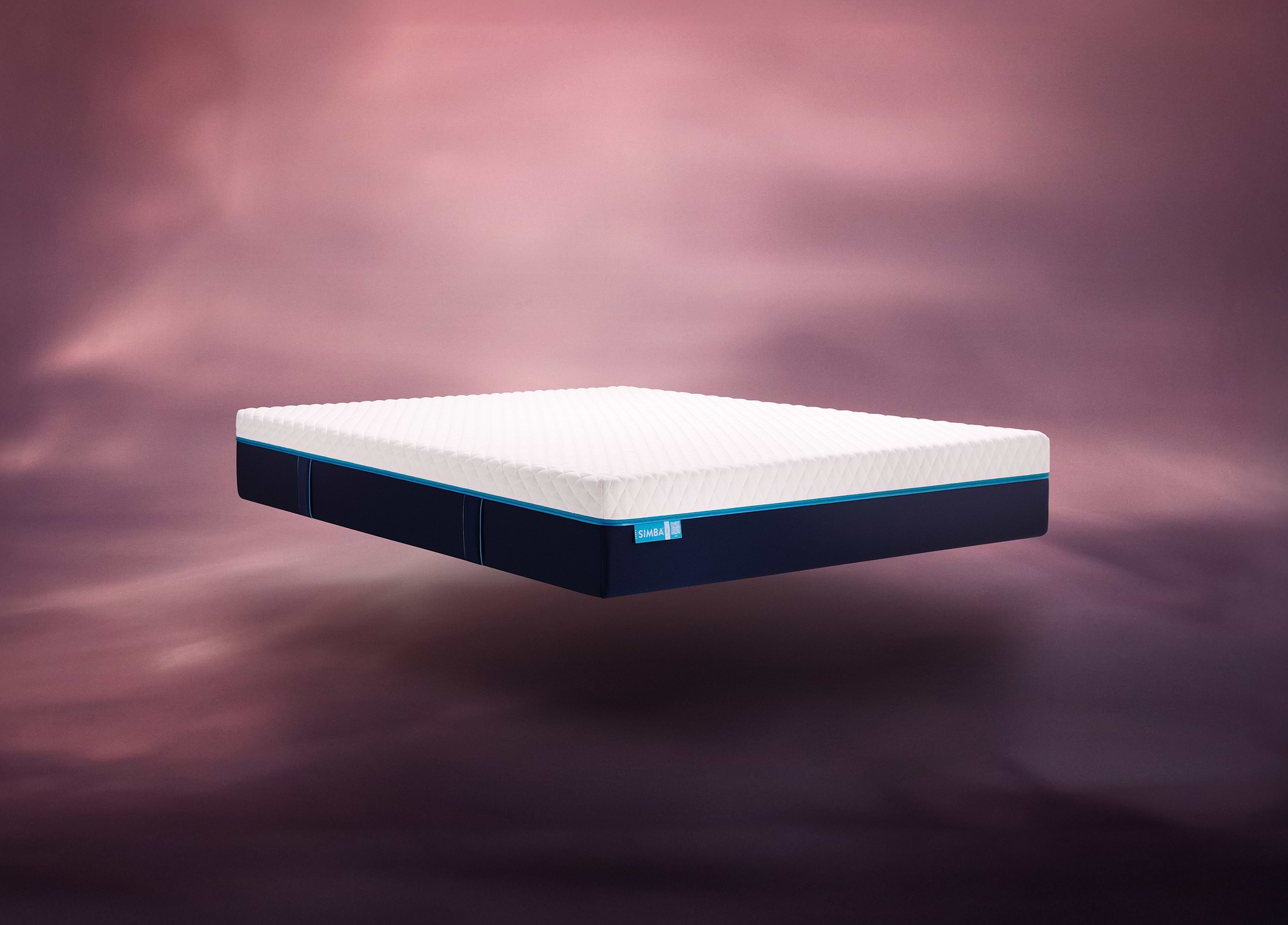
Simba
Simba Hybrid Pro
A current medium-firm hybrid with a 200-night trial recorded in our verified product data.
200-night trial
View all Mattress Core mattresses
Open our mattress finder with the relevant filters applied.
At a Glance
Compare Our Top Picks
The Essentials
What Really Matters
Firmness Ratings
Firmness is subjective and not standardised across the industry. What one manufacturer calls 'medium-firm' may feel different than another. Consider your body weight and primary sleep position as the key indicators for the level of support you need.
Mattress Materials
The construction of your mattress determines temperature regulation, motion transfer, and longevity. Memory foam excels at pressure relief but can retain heat, while hybrid models combine coils for airflow with foam layers for comfort.
Standard Dimensions
Always verify your available floor space against UK standard sizes. A King size in the UK measures 150cm x 200cm, but international models may vary slightly, which can cause issues with fitted sheet compatibility.
Buying Advice
How to Choose the Right Mattress
1. Choose the Correct Mattress Size
Measure the internal dimensions of your bed frame rather than relying only on its description. Standard UK sizes differ from some European and US dimensions, and the external dimensions of a bed frame can be larger than the mattress it takes. Our UK mattress size guide lists the standard UK measurements. Also check the route from the front door to the bedroom before ordering a large or difficult-to-flex mattress.
2. Match Firmness to How You Sleep
Firmness labels are subjective and are not standardised between mattress brands. Side sleepers often prefer enough cushioning around the shoulders and hips, while back and front sleepers commonly look for a more supportive feel that limits excessive sinking. Body weight and personal preference also change how a mattress feels, so use labels such as medium or medium-firm as a starting point rather than an absolute measurement. Couples with different preferences can read our guide to choosing mattress firmness for partners.
3. Compare Mattress Construction
Pocket-sprung mattresses use individually housed springs and can offer good airflow and a responsive feel. Memory foam contours more closely and is commonly chosen for pressure relief and motion isolation. Hybrid mattresses combine a spring core with foam or other comfort layers, aiming to balance responsiveness, cushioning and airflow. None of these constructions is automatically best: compare the specification and feel against your own priorities.
4. Consider Temperature and Partner Disturbance
If you tend to overheat, compare airflow through the support core, the breathability of the comfort layers and the cover material rather than relying on a single 'cooling' label. Our hot-sleeper mattress guide explains the main construction differences. If you share a bed, motion isolation and usable sleeping space can matter just as much as firmness; see our best mattress for couples UK guide.
5. Set a Budget and Compare Like for Like
Compare prices for the same mattress size because headline prices are often size-dependent. Look beyond the purchase price at the trial period, returns conditions, warranty, delivery charges and any old-mattress collection service. A higher price does not automatically mean a mattress is better suited to you, so prioritise fit and specification before premium branding or marketing claims.
6. Check Trial, Returns and Bed-Base Requirements
A home trial can be useful because a few minutes in a showroom cannot reproduce several nights of normal sleep. Check whether the trial has a minimum-use period, whether a mattress protector is required, how returns are collected and whether charges apply. Also confirm that your existing base meets the manufacturer's requirements for slat spacing, support and ventilation; an unsuitable base can affect both comfort and warranty terms.
7. Know When Replacement Is Actually Necessary
Age alone should not determine whether you replace a mattress. Persistent sagging, permanent indentations or a noticeable loss of comfort and support are more useful signals. Our mattress replacement guide explains what to look for before deciding to buy a new one.
Our Tip
Always measure your bed base or bedroom space before committing to a new size.
Our Tip
Use the trial period to your advantage; it often takes several weeks for your body to adjust to a new support surface.
Quick Checklist
Do's & Don'ts
Do's
- Measure your bedroom space accurately
- Check your current bed base compatibility
- Assess your preferred sleeping position
- Confirm the length of the trial period
- Verify the returns policy and collection process
Don'ts
- ✕Ignore edge support
- ✕Buy too small
In Depth
Why These Made Our List
Emma Emma Original Pro Mattress 2026
A current hybrid option with strong overall-quality and value-for-money scores in our database.
Things we like
- ThermoSync cooling layer
- Strong pressure-relief specification
- Seven-zone support
- 200-night trial
Things to consider
- Costs more than the standard Emma Original
Simba Simba Hybrid Pro
A current medium-firm hybrid with a 200-night trial recorded in our verified product data.
Things we like
- Up to 4,800 springs
- Two microspring comfort layers
- Breathable wool layer
- Strong motion-response design
Things to consider
- Premium price
- May feel too supportive for shoppers seeking a soft mattress
Budget
What Should You Expect to Pay?
Budget
£200-£400
Basic construction often using open coil or entry-level foam, suitable for guest rooms or occasional use.
Mid-Range
£400-£750
Reliable construction, better materials, and often include longer guarantees or home trial periods.
Premium
£750-£1,500+
High-quality materials, advanced cooling technology, and superior durability designed for long-term daily use.
Questions
Frequently Asked Questions
Start with the correct size, then consider your sleeping position, preferred firmness, temperature needs, whether you share the bed and your budget. Compare mattress construction and trial terms only after those requirements are clear, which makes it easier to eliminate unsuitable options.
There is no universal firmness that suits everyone, and manufacturers do not use one standard scale. Sleeping position, body weight and personal preference all affect how a mattress feels. Use firmness labels as a starting point and make use of a home trial where available.
None is automatically better. Memory foam commonly offers close contouring and strong motion isolation; pocket springs can provide responsiveness and airflow; hybrids combine a spring core with comfort layers. The best construction depends on the characteristics you value.
There is no price that guarantees suitability or quality. Compare products within your budget using construction, firmness, trial terms, warranty and current price. Remember to compare the same mattress size because advertised starting prices can refer to smaller sizes.
Not solely because of age. Useful life varies with construction, materials, usage and care. Visible sagging, permanent indentations or a sustained loss of comfort and support are stronger reasons to consider replacement. See our [mattress replacement guide](/how-often-should-you-replace-a-mattress) for more detail.
Keep Reading
You May Also Find These Useful
My Ideal Mattress may earn a commission when you purchase through selected links. This does not increase the price you pay.
Still not sure which mattress to choose?
Use our simple mattress finder to narrow down the options by size, firmness and budget.
Find My Ideal Mattress